Stress, sleep, and skin conditions are closely linked. When stress levels go up, sleep quality often goes down, leading to various skin issues like acne, eczema, and psoriasis. Managing stress is crucial not only for getting better sleep but also for maintaining clearer skin.
Managing stress effectively can significantly improve both your sleep quality and skin health. High stress levels increase cortisol production, which disrupts sleep patterns and worsens skin problems. By understanding how stress affects our bodies and using effective strategies to manage it, we can achieve glowing skin and restful nights.
Key takeaway: By recognizing how stress affects our overall well-being and using methods to reduce it, we set the stage for better sleep quality and healthier skin.
Understanding Stress and Its Effects on the Body
What is Stress?
Stress is how our body reacts to challenges or threats. It triggers the “fight or flight” response, causing changes like a faster heartbeat and increased alertness. While short-term stress can help us deal with immediate problems, long-term stress can harm our health.
The Impact of Long-Term Stress
When we’re stressed for a long time, our body keeps releasing cortisol, a hormone that affects many functions in our body. High levels of cortisol can mess with:
- Sleep: It’s harder to fall asleep and stay asleep.
- Skin: Conditions like acne and eczema can get worse.
- Immune System: We become more prone to getting sick.
Physical Signs of Stress
Chronic stress often shows up in our bodies as:
- Constant tiredness even after resting.
- Frequent headaches due to tense muscles.
- Digestive problems like bloating or diarrhea.
Understanding how stress affects us physically is crucial. It reminds us why managing stress is important for our well-being. Simple practices like meditation or deep breathing exercises can make a big difference in reducing stress levels. By taking care of ourselves and addressing the impact of stress on areas such as sleep and skin health, we can work towards living a healthier life.
The Stress-Skin Connection: How Stress Impacts Our Complexion
The stress and skin connection is a significant concern for many individuals. Stress can wreak havoc on our complexion, often leading to various skin conditions. When under stress, the body releases cortisol, a hormone that can cause oil glands to produce more oil, resulting in stress-induced skin flare-ups such as acne.
Common Stress-Related Skin Problems
- Acne: Elevated cortisol levels increase sebum production, which clogs pores and triggers acne breakouts. This is particularly common among teenagers and adults who experience high-stress environments.
- Eczema: Chronic stress can exacerbate eczema symptoms, causing red, itchy patches on the skin. Stress-induced inflammation weakens the skin’s barrier, making it more susceptible to irritants and allergens.
- Psoriasis: Stress can trigger or worsen psoriasis flare-ups by accelerating the production of skin cells, leading to scaly patches and redness.
Expert Insights
Dermatologists frequently observe the impact of stress on their patients’ skin. Dr. Pavithra HN notes that many patients report worsening of skin conditions during stressful periods. According to Dr. Pavithra:
“Stress management is crucial not just for mental well-being but also for maintaining clear and healthy skin.”
Managing Stress for Clearer Skin
Effective stress management for skin care plays an essential role in reducing these problems. Simple techniques such as mindfulness meditation or deep breathing exercises can provide substantial relief.
Practical Tips:
- Practice deep breathing exercises daily.
- Incorporate mindfulness meditation into your routine.
- Use skincare products designed for stressed skin.
Proper stress management leads to a noticeable improvement in both mental health and complexion, proving that taking care of your mind is equally important as caring for your skin.
By understanding how stress impacts our complexion and implementing strategies for stress relief for clear skin, we can achieve healthier and more radiant skin.
The Role of Sleep in Maintaining Healthy Skin
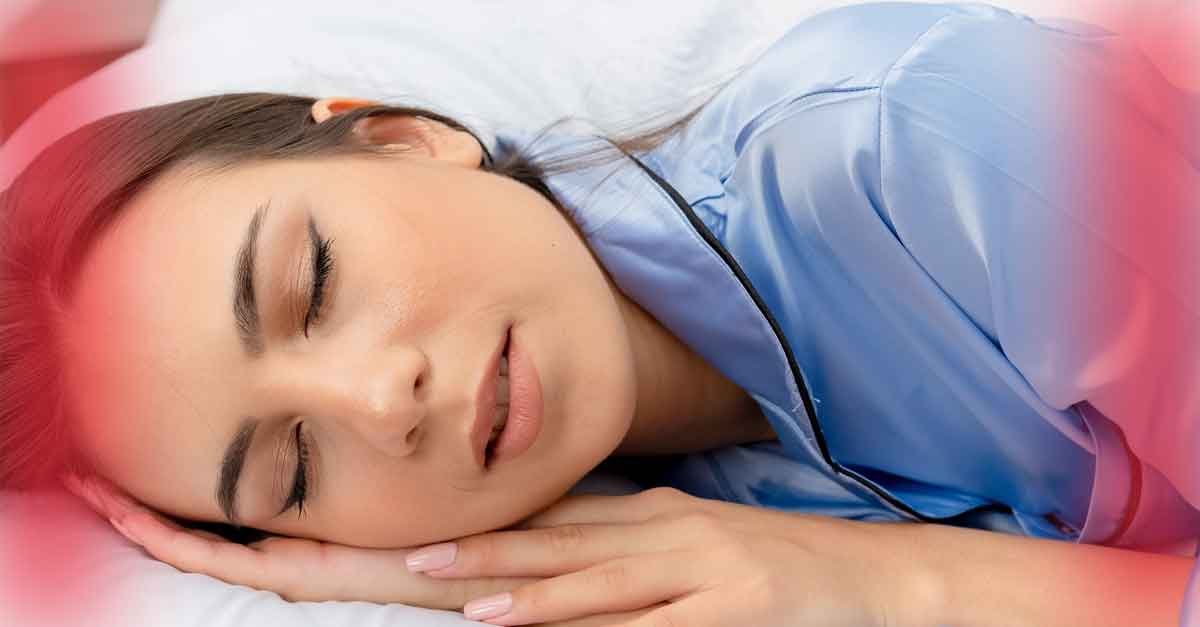
Quality sleep is essential for overall well-being and plays a crucial role in keeping our skin healthy. When we sleep, our bodies go through important repair processes, including skin regeneration. This process is vital for maintaining skin elasticity, hydration, and its protective barrier.
Why Quality Sleep Matters for Your Skin
- Cell Repair: During deep sleep stages, the body increases blood flow to the skin, helping repair damaged cells and tissues.
- Collagen Boost: Getting enough sleep promotes the production of collagen, a protein that keeps skin firm and reduces the appearance of fine lines and wrinkles.
- Moisture Balance: Sleep helps regulate moisture levels in the skin, preventing dryness and irritation.
Dr. Pavithra HN from Aarna Clinic emphasizes that good sleep habits are crucial for anyone looking to improve their skin health. Incorporating these practices can significantly enhance your complexion.
How Lack of Sleep Affects Your Skin
Not getting enough sleep disrupts the body’s hormonal balance, particularly increasing cortisol levels. Elevated cortisol has several harmful effects on the skin:
- Inflammation: High cortisol levels trigger inflammation, worsening conditions like acne and eczema.
- Oil Production: Increased cortisol can boost oil production in sebaceous glands, leading to clogged pores and breakouts.
- Weakened Barrier: Poor sleep weakens the skin’s barrier function, making it more vulnerable to environmental stressors and allergens.
According to Dr. Pavithra HN, managing stress through better sleep can effectively address these issues.
How Sleep Benefits Your Skin
- Reduced Puffiness: Enough rest reduces fluid retention around the eyes, minimizing puffiness and dark circles.
- Even Skin Tone: Consistent sleep patterns contribute to a more even skin tone by supporting melanin production regulation.
- Enhanced Glow: Well-rested skin appears more radiant and youthful due to efficient cellular turnover.
Prioritizing quality sleep is not just about feeling rested but also about enhancing your skin’s natural beauty. Adopting practices that improve sleep for clear skin can yield noticeable benefits in both appearance and overall health.
Beauty Sleep: Myth or Reality?
The term beauty sleep often brings to mind images of peaceful rest and radiant skin. But is there more to this idea than just a catchy phrase? Scientific evidence suggests that quality sleep, often referred to as the beauty sleep, plays a crucial role in skin renewal during nighttime hours.
The Science Behind Beauty Sleep
1. Skin Regeneration
During the deeper stages of sleep, the body goes into repair mode. This is when skin cells regenerate and renew. Collagen production increases, helping reduce fine lines and wrinkles.
2. Cortisol Reduction
Quality sleep helps keep cortisol levels lower. High cortisol can break down collagen, leading to sagging skin and more visible signs of aging.
3. Blood Flow
Better blood flow during sleep ensures that essential nutrients reach the skin, contributing to a healthy complexion.
Expert Insights
Dermatologists from Bangalore stress the significance of consistent sleep patterns for maintaining youthful and glowing skin. According to Dr. Pavithra HN, “Clients who prioritize beauty sleep time often report fewer skin issues such as dullness and pigmentation.”
Key Takeaways
- Prioritize Sleep: Aim for 7-9 hours of uninterrupted sleep each night.
- Create a Relaxing Routine: Incorporate calming activities before bed to enhance sleep quality.
- Skincare Products: Use overnight products with ingredients like hyaluronic acid or retinol to support skin regeneration.
Understanding the connection between beauty and sleep can transform your skincare routine. By embracing the beauty sleep, you pave the way for a clearer, more youthful complexion.
Sleep Habits That Can Sabotage Your Skin Health
Understanding how sleep habits affect skin health is crucial for maintaining a radiant complexion. Certain nighttime routines and sleeping positions may inadvertently contribute to skin issues, making it essential to adopt practices that support both sleep and skin health.
Recommended Nighttime Skincare Routines
To optimize your skin’s recovery process overnight, consider incorporating the following into your bedtime regimen:
- Cleansing: Remove makeup and impurities with a gentle cleanser to prevent clogged pores.
- Hydration: Apply a nourishing moisturizer. Products like Love Wellness Sleeping Beauty are designed to hydrate while you rest.
- Best Sleeping Face Mask: Integrate overnight masks filled with calming ingredients like hyaluronic acid or chamomile extract. These masks work wonders without clogging pores.
- Beauty Sleep Gummies: Supplements such as beauty sleep gummies can aid in promoting restful sleep while delivering nutrients that benefit the skin.
Impact of Sleeping Positions and Environments
Your sleeping environment and position can also play significant roles in skin health:
1. Sleeping Positions
- Back Sleeping: This position is ideal as it prevents your face from pressing against pillows, reducing friction and the likelihood of breakouts.
- Side/Stomach Sleeping: These positions can cause facial irritation due to constant contact with pillowcases, potentially leading to acne or wrinkles.
2. Pillowcase Material
Opt for silk or satin pillowcases. These materials are gentler on the skin compared to cotton, minimizing irritation and helping maintain moisture.
3. Room Environment
- Humidity Levels: Ensure your room isn’t too dry; using a humidifier can keep your skin hydrated.
- Cleanliness: Regularly wash bedding to eliminate dirt, oil, and bacteria that could transfer onto your skin during sleep.
By integrating these practices into your nightly routine, you not only enhance sleep quality but also foster an environment where your skin can thrive.
Managing Stress for Better Sleep Quality and Clearer Skin: Practical Strategies You Can Try Today!
Managing stress for better sleep quality and clearer skin begins with incorporating effective relaxation techniques into your daily routine. Here are some strategies to consider:
Mindfulness Meditation
Mindfulness meditation is a powerful tool for reducing stress and promoting relaxation. By focusing on the present moment, you can calm your mind and body, making it easier to drift into a restful sleep.
- How to practice: Sit or lie down in a quiet place, close your eyes, and focus on your breathing. Notice each inhale and exhale, gently bringing your attention back to your breath if your mind starts to wander.
- Benefits: Regular mindfulness practice can lower cortisol levels, reduce anxiety, and improve overall sleep quality.
Deep Breathing Exercises
Deep breathing exercises can help activate the body’s relaxation response. Practicing these exercises before bed can signal your body that it’s time to wind down.
1. 4-7-8 Breathing Technique
- Inhale through your nose for 4 seconds.
- Hold the breath for 7 seconds.
- Exhale slowly through your mouth for 8 seconds.
2. Diaphragmatic Breathing
- Place one hand on your chest and the other on your abdomen.
- Breathe in deeply through your nose, allowing your diaphragm (not your chest) to rise.
- Exhale slowly through pursed lips.
Establishing a Consistent Bedtime Routine
Creating a bedtime routine helps regulate your body’s internal clock, making it easier to fall asleep and wake up at the same time each day.
- Limit screen time: Reduce exposure to blue light from screens at least an hour before bed. Blue light can interfere with melatonin production, disrupting sleep patterns.
- Relaxing activities: Engage in calming activities such as reading a book, taking a warm bath, or listening to soothing music.
- Set a fixed bedtime: Go to bed and wake up at the same time every day, even on weekends. This consistency reinforces healthy sleep habits.
Additional Tips
Combining these techniques with other stress management practices enhances their effectiveness:
- Physical activity: Regular exercise can reduce stress hormones like cortisol while boosting endorphins that promote relaxation.
- Healthy diet: Avoid caffeine and heavy meals close to bedtime. Opt for light snacks like herbal tea or yogurt if you need something before sleeping.
By integrating these practical strategies into your daily routine, you can significantly improve both sleep quality and skin health. Addressing stress holistically not only enhances rest but also contributes to a clearer complexion.
Alternative Therapies to Combat Stress-Related Skin Issues: A Holistic Approach Worth Exploring!
Stress affects not only our minds but also our skin. Two holistic approaches that have shown promise in alleviating stress and its physical manifestations are acupuncture therapy and hypnotherapy for anxiety relief.
Acupuncture Therapy
Acupuncture, a traditional Chinese medicine practice, involves inserting thin needles into specific points on the body to balance energy flow. This ancient technique is gaining popularity for its ability to reduce stress and improve skin health.
Benefits of Acupuncture
- Psychological Benefits: Acupuncture helps in reducing anxiety by releasing endorphins—natural painkillers produced by the brain. This leads to a calming effect and lowers cortisol levels.
- Skin Health: Lower cortisol levels mean less inflammation and fewer breakouts. Patients often report a reduction in redness, acne, and other inflammatory skin conditions after regular acupuncture sessions.
Hypnotherapy for Anxiety Relief
Hypnotherapy is another alternative therapy that can help manage stress-related skin issues. This method uses guided relaxation and focused attention to achieve a heightened state of awareness, often referred to as a trance.
Benefits of Hypnotherapy
- Mental Relaxation: During hypnotherapy sessions, individuals are guided into deep relaxation, which helps lower anxiety levels. Reducing stress directly impacts cortisol production, helping the body maintain hormonal balance.
- Skin Improvement: By addressing the root causes of stress and anxiety, hypnotherapy can indirectly lead to clearer skin. Lower stress levels contribute to improved sleep quality, which is essential for skin regeneration.
Combining Therapies
For those struggling with chronic stress-related skin issues, combining acupuncture with hypnotherapy might offer comprehensive benefits:
- Balanced Approach: Acupuncture focuses on physiological balance while hypnotherapy tackles psychological aspects.
- Enhanced Results: Together, these therapies can provide a holistic solution to both mental well-being and skin health.
Exploring alternative therapies like acupuncture therapy and hypntherapy for anxiety relief can pave the way for not only clearer skin but also a more relaxed mind.
Skincare Tips for a Restful Night’s Sleep: Products That Work While You Dream!
A well-thought-out nighttime skincare routine is essential for taking care of your skin while you sleep. Using non-comedogenic products before bed ensures that your pores stay clear, preventing breakouts and irritation.
Recommended Skincare Products with Calming Ingredients
- Chamomile Extract: Known for its soothing properties, chamomile extract can help calm irritated skin and reduce redness. Look for night creams or serums that include this ingredient.
- Lavender Oil: This essential oil not only has a calming scent that promotes relaxation but also possesses antibacterial properties beneficial for acne-prone skin.
- Niacinamide: A form of Vitamin B3, niacinamide helps to improve the skin’s barrier function, reducing moisture loss and improving texture.
- Hyaluronic Acid: Excellent for hydration, hyaluronic acid helps plump the skin, making it look more youthful and firm by morning.
Non-Comedogenic Options Safe for Overnight Use
Selecting non-comedogenic products is vital to ensure that your skin breathes freely during sleep. Some highly recommended options include:
- CeraVe PM Facial Moisturizing Lotion: Lightweight yet hydrating, this lotion contains niacinamide and ceramides to restore the skin barrier without clogging pores.
- Neutrogena Hydro Boost Water Gel: With hyaluronic acid as its key ingredient, this gel provides intense hydration while being oil-free and non-comedogenic.
- La Roche-Posay Toleriane Ultra Night Cream: Formulated for sensitive skin, this cream includes soothing agents like neurosensine and thermal spring water.
Additional Tips
- Use a silk pillowcase to minimize friction and reduce the risk of irritation or breakouts.
- Avoid heavy or oily creams if you have acne-prone skin; opt instead for lightweight formulations.
By choosing appropriate products with calming ingredients, you support your skin’s natural repair processes overnight, waking up to a refreshed complexion.
The Impact of Diet on Stress Levels and Skin Conditions: Foods to Embrace (or Avoid!) For a Radiant Complexion Inside Out!
Our diet plays a crucial role in influencing both our mental well-being and skin health. Consuming foods with a high glycemic index, for instance, can significantly affect acne severity. These foods cause rapid spikes in blood sugar levels, leading to increased insulin production which can exacerbate inflammation and oil production in the skin.
Foods to Embrace for a Clearer Complexion:
- Leafy Greens: Rich in vitamins A, C, and K, leafy greens like spinach and kale help reduce inflammation and promote healthy skin.
- Fatty Fish: Omega-3 fatty acids found in salmon, mackerel, and sardines can decrease inflammation and keep skin moisturized.
- Nuts and Seeds: Almonds, walnuts, and flaxseeds are excellent sources of vitamin E and essential fatty acids that support skin health.
- Fruits High in Antioxidants: Berries, oranges, and kiwis are packed with antioxidants that combat free radicals responsible for aging.
Foods to Avoid:
- Sugary Snacks: Indulging in sweets can lead to mood swings due to fluctuating blood sugar levels. This not only impacts mental well-being but also contributes to breakouts.
- Dairy Products: Some studies suggest a link between dairy consumption and increased acne severity, possibly due to hormones present in milk.
- Processed Foods: High levels of refined carbs found in processed foods can lead to increased insulin levels, triggering skin issues.
How Diet Affects Stress Levels:
Consuming nutritious foods helps maintain stable blood sugar levels, reducing mood swings and stress. Conversely, diets high in sugar and refined carbs can lead to energy crashes and irritability.
“A balanced diet rich in whole foods supports both mental clarity and a radiant complexion.” — Dr. Pavithra HN
Incorporating these dietary choices into your daily routine can significantly impact your stress levels and skin condition. By understanding the intricate relationship between what we eat and how we feel—both mentally and physically—we can make informed decisions that benefit our overall well-being.
Conclusion: Prioritize Self-Care Practices That Nurture Your Mind And Body For Lasting Beauty Benefits!
Adopting a holistic approach to managing stress, sleep, and skin conditions can significantly improve your overall well-being. By implementing effective stress management strategies such as mindfulness meditation or deep breathing exercises, you can enhance relaxation and promote better sleep quality. This, in turn, helps maintain clearer and healthier skin.
Investing time in proper skincare routines tailored to your specific needs is equally important. Consider integrating products with calming ingredients like chamomile extract into your nighttime regimen to support your skin while you sleep.
Key Takeaways:
Holistic Approaches:
- Mindfulness meditation
- Deep breathing exercises
- Acupuncture or hypnotherapy
Skincare Routines:
- Calming ingredients (e.g., chamomile extract)
- Consistent bedtime routine
Understanding the connection between diet choices and skin health is essential. Opt for foods that support mental well-being and minimize breakouts.
Remember, nurturing your mind and body through these practices not only enhances your beauty but also fosters a balanced lifestyle.
Ready to take control of your skin health? Explore personalized skincare treatment options at Skin Care Treatment Jayanagara for expert guidance and tailored solutions!
Embrace these self-care practices to experience lasting beauty benefits from the inside out.
FAQs (Frequently Asked Questions)
Stress can lead to increased cortisol levels, which disrupts the body’s natural sleep regulation. This can result in difficulties falling asleep, staying asleep, and achieving restful sleep, ultimately impacting overall well-being.
Stress is known to trigger various skin conditions such as acne, eczema, and psoriasis. It can cause skin flare-ups and exacerbate existing issues due to its physiological effects on the body.
Effective stress management techniques include mindfulness meditation, deep breathing exercises, and establishing a consistent bedtime routine. These practices promote relaxation and can help improve both sleep quality and skin condition.
‘Beauty sleep’ refers to the idea that quality sleep contributes to skin regeneration and overall appearance. During restful sleep, the body repairs itself, including maintaining healthy skin, making it an important factor for beauty.
For optimal skin health overnight, consider using non-comedogenic products with calming ingredients such as chamomile extract. Establishing a nighttime skincare routine that includes sleeping masks or beauty supplements can also be beneficial.
Diet plays a significant role in both mental well-being and physical appearance. Consuming high glycemic index foods may worsen acne severity and contribute to mood swings. Embracing a balanced diet can help manage stress levels and promote clearer skin.